
This post is also available in:

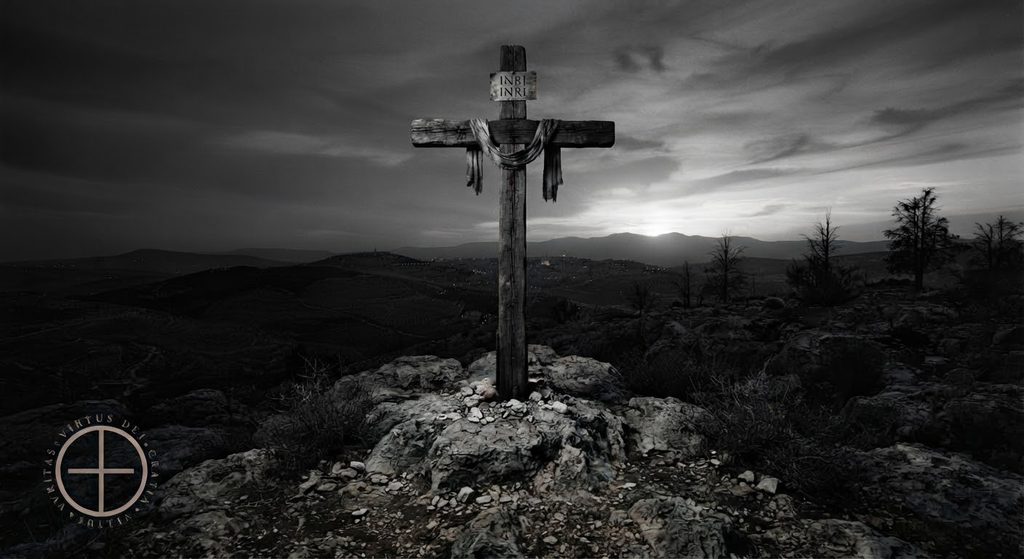
The Mystery of the Cross: From Pain to Redemption
September 14 is a day of profound symbolic and theological weight in the Catholic Church: the Feast of the Exaltation of the Holy Cross. At first glance, it may seem surprising that an ancient instrument of execution stands at the center of a Christian feast. Yet, for the faith, the Cross has not remained a sign of death, but rather the most radical symbol of God’s love, which penetrates even the deepest darkness.
Historical Origin and Profound Meaning
The feast has its origins in the dedication of the Constantinian Basilica over the Holy Sepulcher in Jerusalem in the year 335 and the later commemoration of the recovery of the Cross. However, the liturgical celebration goes far beyond historical remembrance. The “Exaltation” of the Cross invites us to consciously direct our gaze to where the seemingly incomprehensible happens: God Himself bears human pain to the utmost.
The Cross in Everyday Life
In our personal lives, we often encounter the cross in moments when we least expect it. It is the fractures, the deep losses, and the dark valleys that leave us speechless. There are experiences of grief and parting that weigh so heavily that every rational explanation fails and the ground beneath our feet begins to shake.
Precisely at these points, the question arises as to where God is in these hours. The Feast of the Exaltation of the Holy Cross provides an answer that is far from cheap consolation: God does not remain at a distance, but enters into the midst of human suffering. The Cross shows that pain and grief have a name and a place in the divine heart.
The Power That Uplifts
Where life shatters, a new, quiet depth can emerge in the encounter with the pain that is borne. It is the experience that one is not left entirely alone in the abysses of life, but that a hidden power—a divine strength—is there to carry us when our own strength has long been exhausted.
When we look at the Cross today, we do not celebrate a cult of suffering, but the triumph of love over death. It invites us to accept our own crosses, yet not to carry them in isolation, but in the light of hope that the final word belongs not to Good Friday, but to the Resurrection. May this day remind us that even in the darkest hours of our lives, the light of redemption shines.
